

Comparing the Top Fencing Materials for Your Home
Choosing a fence for your home involves more than deciding where to establish a property boundary. The material you select can influence the fence's appearance, durability, maintenance requirements, privacy, and overall cost. Wood, vinyl, aluminum, and chain-link fencing each offer different advantages depending on your property and priorities. Some homeowners prefer the traditional appearance of wood, while others want a durable option that requires less routine upkeep. Understanding these differences can make it easier to compare materials and select a fence that suits your outdoor space. A local fence contractor can help homeowners evaluate available options and understand which features may best meet their needs. Factors such as weather exposure, property layout, intended use, and budget should all be considered before making a decision. Comparing the most common fencing materials provides a practical starting point for planning a suitable residential fence.
Comparing the Natural Appeal of Wood Fencing
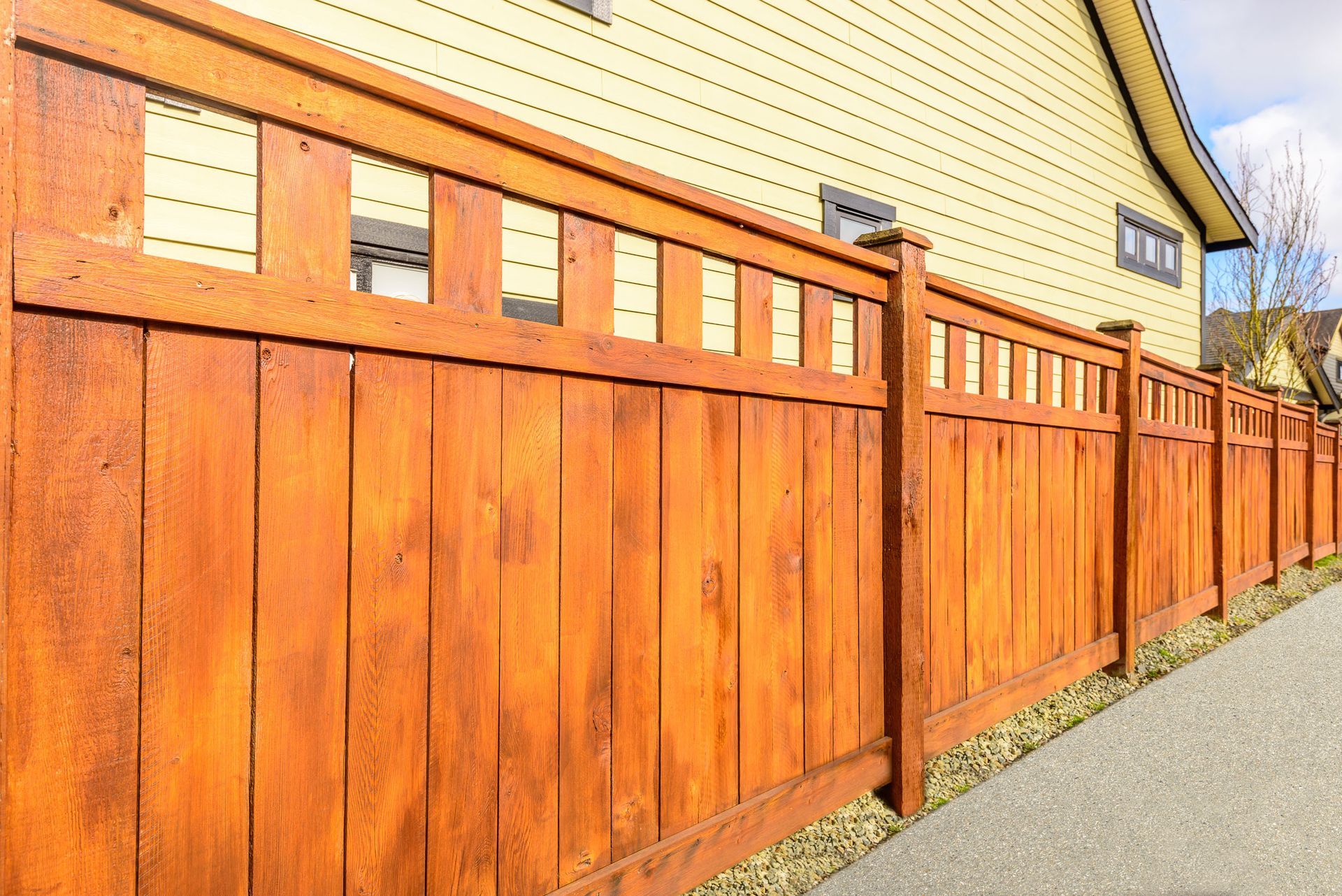
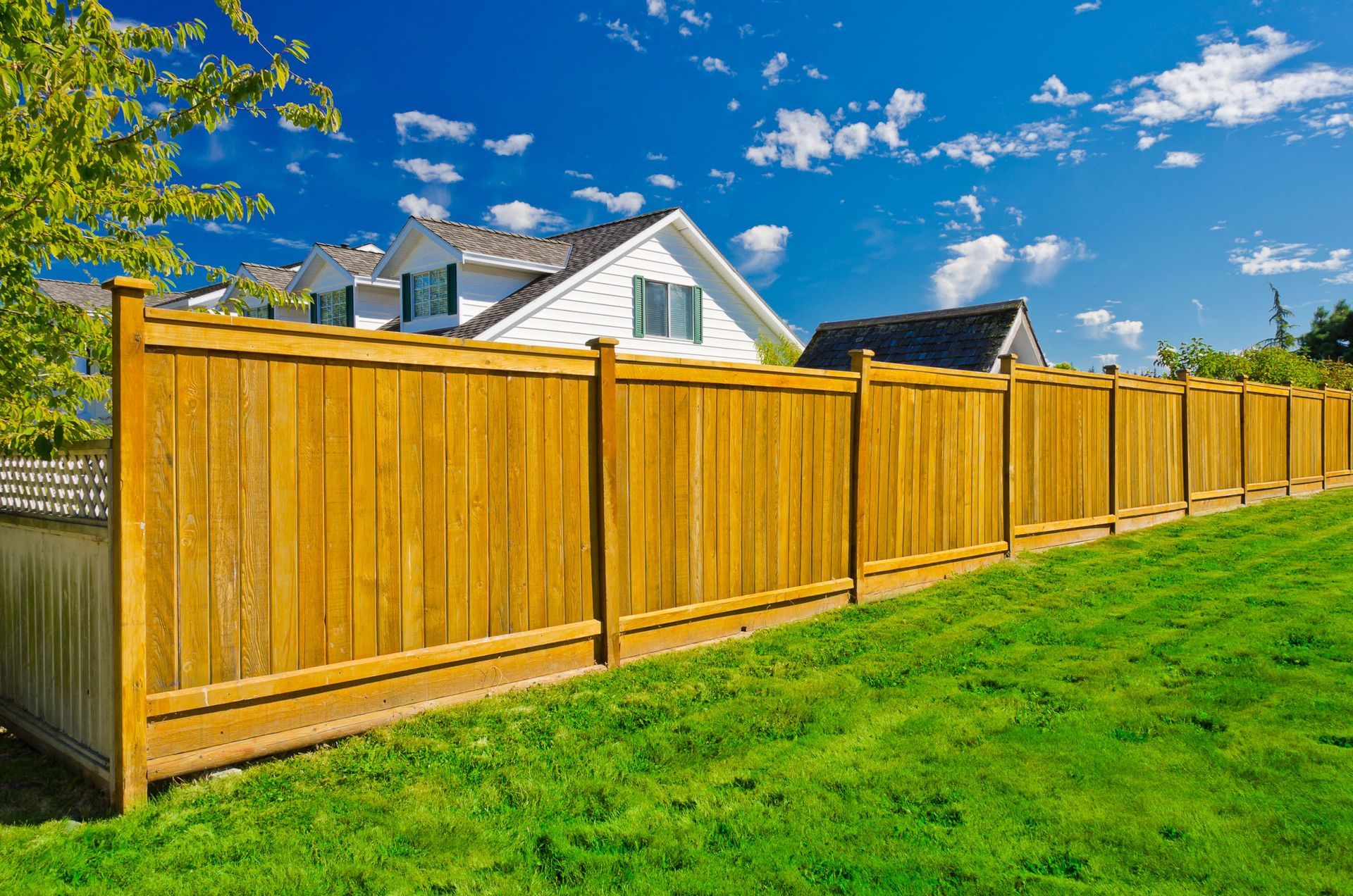
Wood fencing remains a popular choice for homeowners who appreciate natural textures and traditional designs. It can complement a variety of architectural styles, from classic homes to more contemporary properties. Different wood types, fence heights, and board arrangements provide flexibility when creating a specific appearance. Solid wood panels can offer privacy, while spaced boards can maintain a more open feel around the yard. Wood can also be stained or painted to coordinate with exterior colors and landscaping. However, it generally requires more maintenance than some alternative materials because exposure to moisture, sunlight, and insects can affect its condition. Periodic inspections, cleaning, sealing, staining, or painting may be necessary to preserve its appearance. Homeowners should weigh these upkeep requirements against the design flexibility and natural character wood fencing provides.
Comparing the Low-Maintenance Benefits of Vinyl Fencing
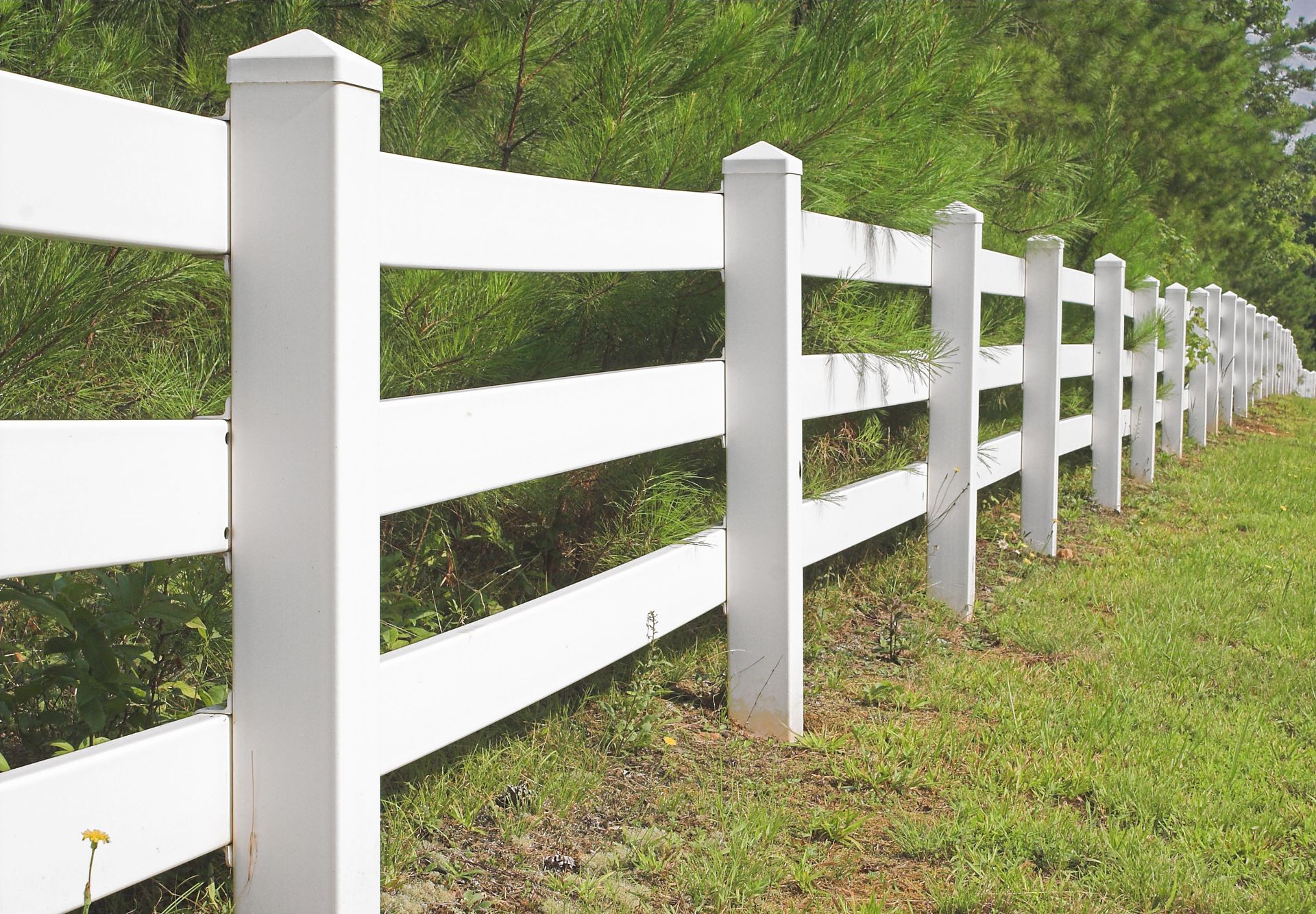
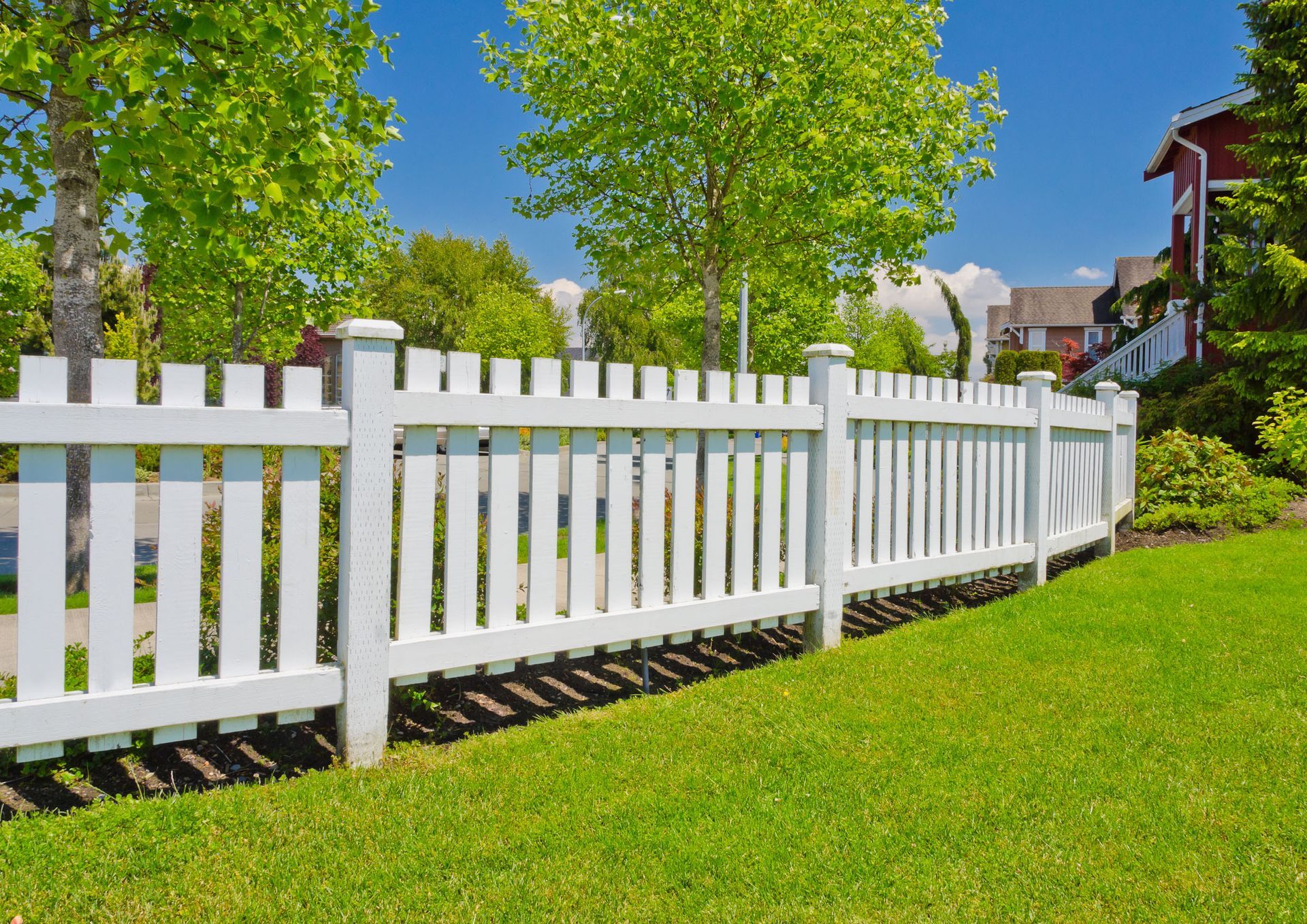
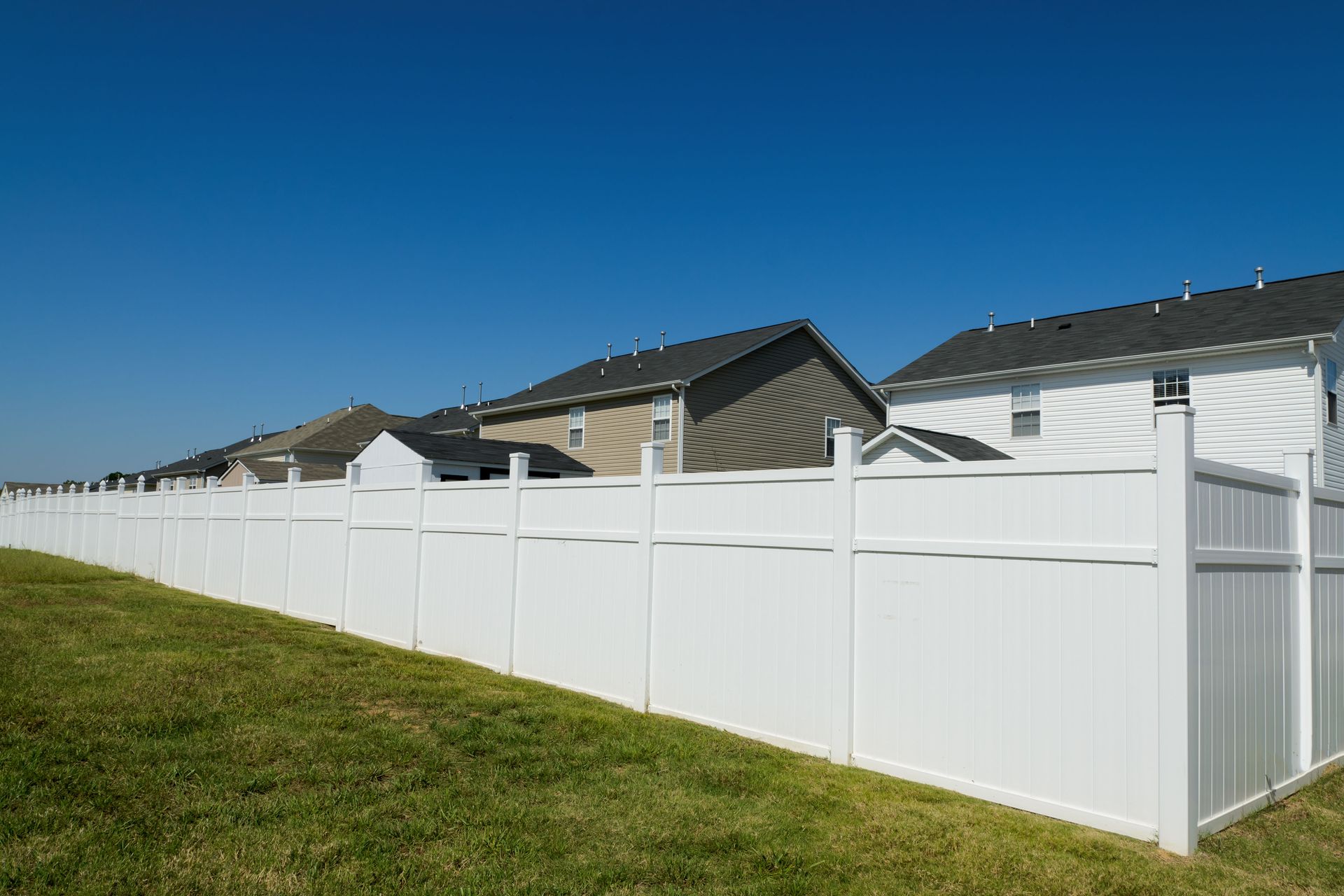
Vinyl fencing is an option for homeowners who want a clean appearance without many of the routine treatments associated with wood. It is available in several styles, including privacy panels, picket designs, and decorative configurations. Its manufactured surface does not require regular painting or staining to maintain its color. Cleaning with appropriate methods can help remove dirt and maintain the fence's appearance. Vinyl is also resistant to many problems associated with moisture exposure, although its performance depends on product quality and installation. Extreme weather, impacts, and improper installation can still cause damage. Homeowners should compare panel thickness, construction quality, and the manufacturer's maintenance recommendations before selecting a product. A local fence contractor can explain how vinyl options differ and help determine whether this material fits the property's needs.
Comparing the Durability of Aluminum Fencing
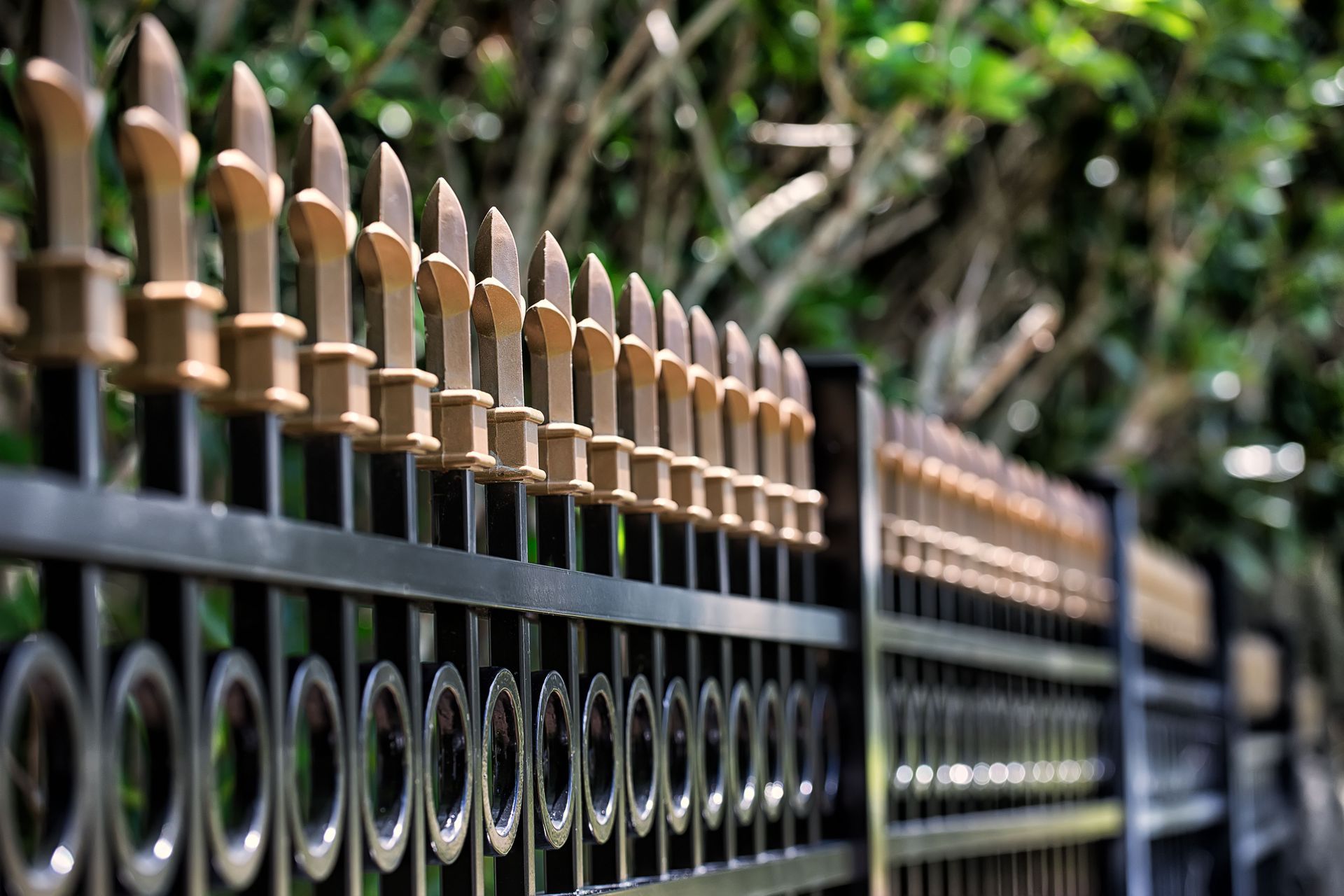
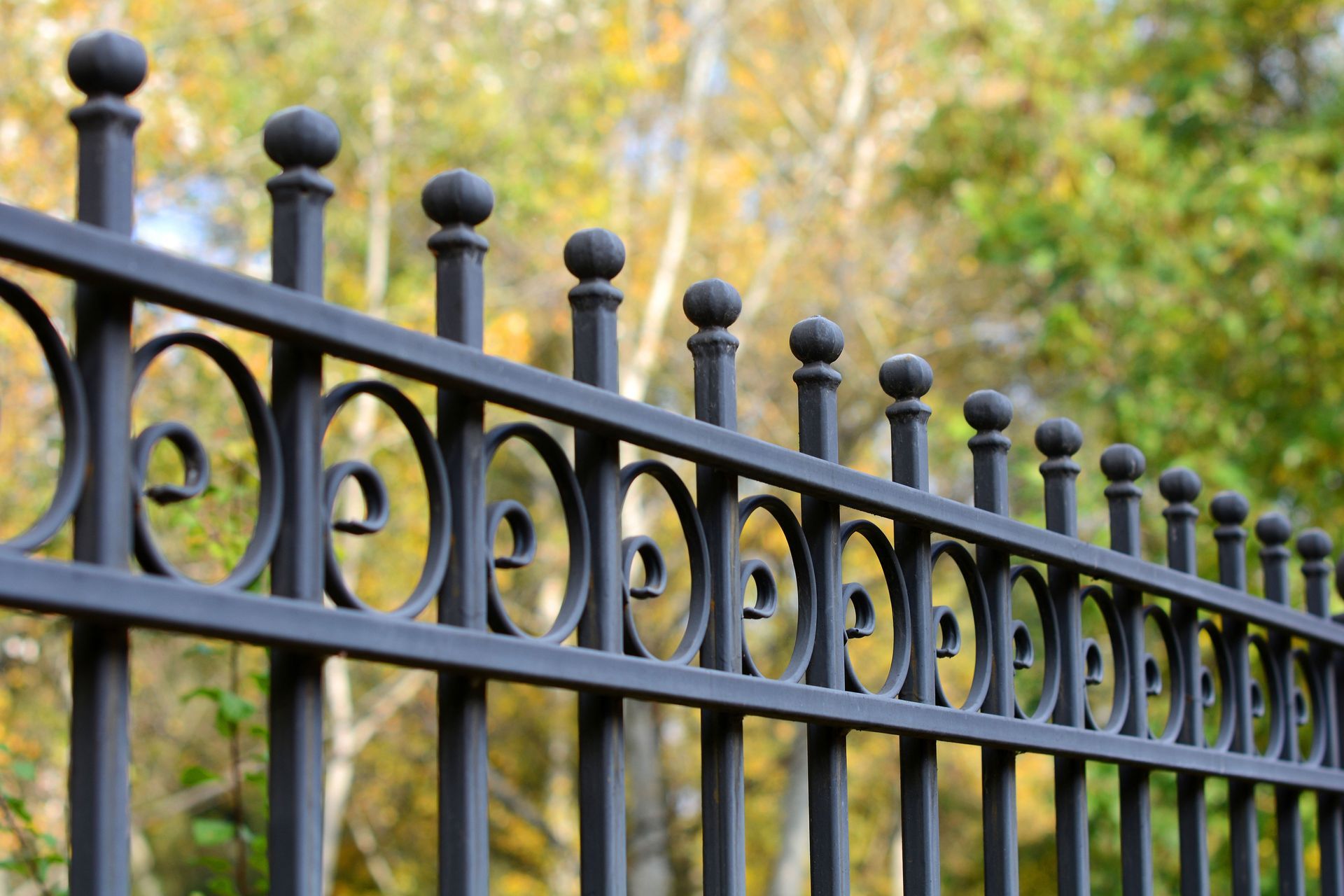
Aluminum fencing offers a combination of strength, an open appearance, and relatively low maintenance requirements. It is often selected for properties where homeowners want a defined boundary without completely blocking views. Its vertical bars can provide separation around front yards, gardens, and other outdoor spaces while preserving visibility. Aluminum fencing is available in several colors, heights, and decorative styles, making it adaptable to different property designs. According to RentPrep, aluminum fencing can remain virtually maintenance-free throughout its lifetime because it does not rust. Although aluminum resists rust, homeowners should still inspect the fence periodically for loose fasteners, damaged coatings, or other issues. Its open design may be less suitable for people who want complete backyard privacy. Considering visibility, appearance, and maintenance can help determine whether aluminum is the right fit.
Comparing the Practical Features of Chain-Link Fencing
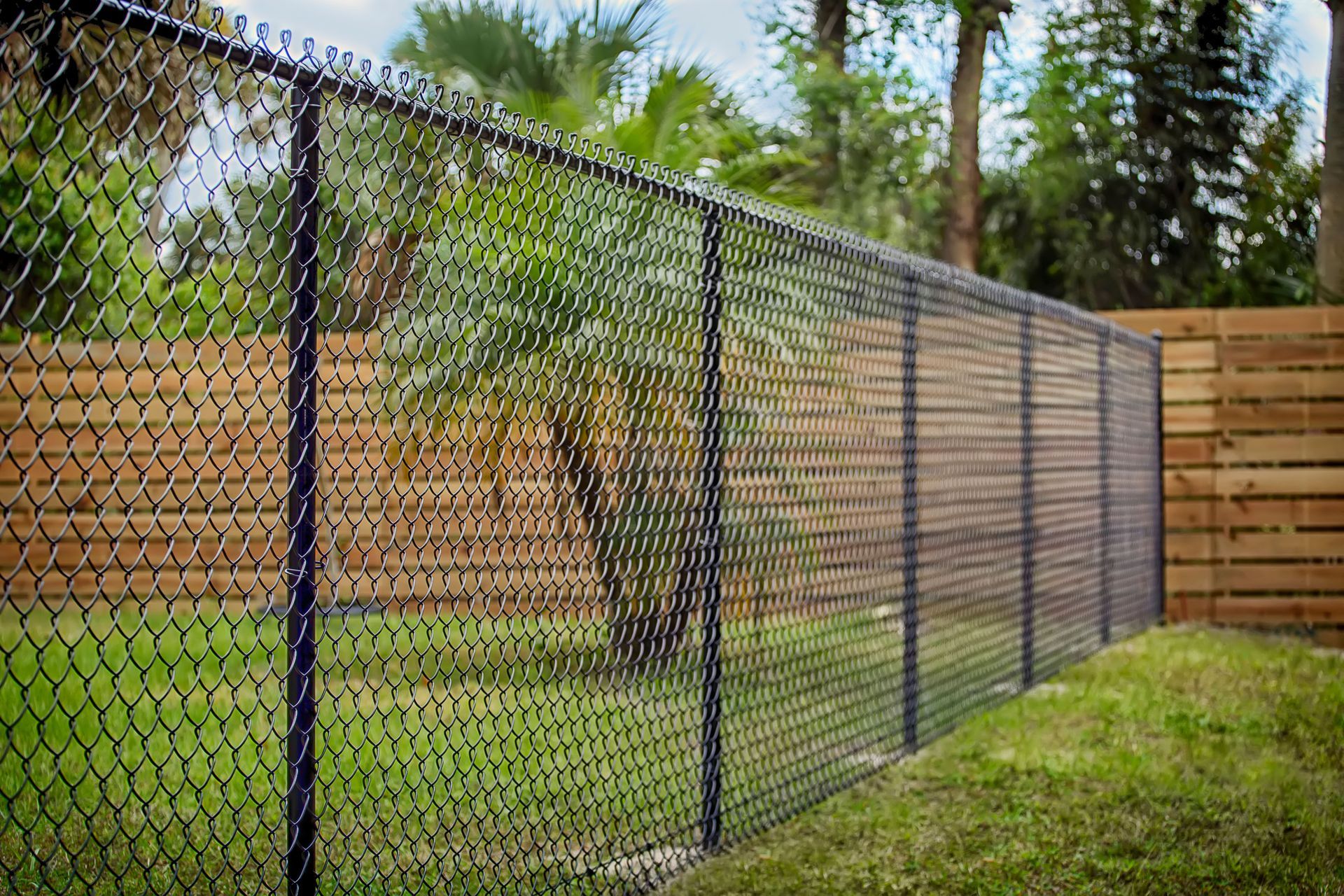
Chain-link fencing is commonly considered when functionality and visibility are priorities. Its woven metal construction creates a recognizable boundary without creating a solid visual barrier. This can be useful for defining yard limits, containing pets, or separating areas of a residential property. Chain-link fencing is available in different heights and finishes, including coated options that can change its appearance and provide additional surface protection. Compared with some decorative materials, its straightforward design may be appealing to homeowners working within a limited budget. However, standard chain-link fencing generally offers less privacy than solid wood or vinyl panels. Privacy slats or screening materials may be considered when additional coverage is desired, depending on compatibility with the fence. Homeowners should compare appearance, intended use, and available finishes before deciding whether chain-link fencing meets their requirements.
Comparing Privacy and Visibility Between Materials
Privacy is an important consideration when choosing fencing for a backyard, patio, pool area, or outdoor living space. Wood and vinyl panels can create solid barriers that reduce direct views into the property. These materials may be useful for homeowners who want a more secluded setting for outdoor activities. Aluminum and chain-link fencing typically allow greater visibility because of their open designs. This can be beneficial when maintaining sightlines across a front yard or keeping outdoor spaces visually connected. The level of privacy also depends on fence height, panel spacing, property elevation, and nearby structures. Homeowners should consider how they use their yard before deciding whether privacy or openness is more important. Comparing these characteristics with your local fence contractor can help narrow the available material choices.
Comparing Maintenance Needs Across Materials
Maintenance requirements can influence both the long-term effort and cost associated with owning a fence. Wood often needs periodic sealing, staining, painting, or repairs to address weather-related wear. Vinyl generally requires routine cleaning and occasional inspections for cracks, loose components, or impact damage. Aluminum typically needs limited upkeep, although its fasteners and finish should still be checked from time to time. Chain-link fencing may require inspections for damaged mesh, loose posts, or areas affected by corrosion, depending on the material and finish. Local climate can also affect how different fencing materials perform over time. Moisture, direct sunlight, temperature changes, and storms may influence maintenance needs. A local fence contractor can help homeowners understand what routine care each option may require in their specific setting.
Comparing Installation and Long-Term Costs
The cost of a fence depends on several factors beyond the price of its primary material. Total expenses may include fence height, overall length, gates, terrain conditions, removal of an existing fence, and installation labor. Wood, vinyl, aluminum, and chain-link products vary in price based on design and construction quality. A lower initial price does not always mean the lowest long-term expense, particularly when regular maintenance or repairs are needed. Conversely, a more expensive material may offer features that better match a homeowner's priorities. Sloped ground, obstacles, and difficult access can also affect the complexity of installation. Understanding both initial costs and future upkeep can support a more practical decision.
Comparing Materials With Your Property's Needs
The most suitable fencing material depends on the purpose of the fence and the conditions surrounding the property. Homeowners should consider whether the main goal is privacy, security, decorative appeal, pet containment, or boundary definition. The home's architectural style and existing landscaping can help guide decisions about colors, textures, and fence designs. Local regulations, neighborhood requirements, and property boundaries should also be reviewed before installation. Gates and access points may influence the layout and material selection. It is useful to compare samples or photographs of finished fences to understand how different materials may look in the intended setting. A local fence contractor can help assess the property, discuss material characteristics, and explain installation considerations. Careful planning can make it easier to choose a fence that balances appearance, function, and maintenance.
Selecting the right fence involves balancing appearance, durability, privacy, upkeep, and budget. Wood offers natural character and customization, vinyl provides a low-maintenance alternative, aluminum combines an open design with corrosion resistance, and chain-link offers practical boundary definition. Each material has benefits and limitations, so the right choice depends on the property's layout and the homeowner's priorities. Taking time to compare these differences can help prevent mismatched expectations after installation. Jenks Fence can help homeowners explore fencing options and consider which material is appropriate for their property. Contact us to discuss your fencing needs with a local fence contractor and take the next step toward a fence that complements your home.

Share On: