

Choosing Eco-Friendly Materials for a Sustainable Fence Job
Choosing environmentally friendly materials for your property is an excellent way to reduce environmental impact while creating an attractive outdoor space. Fencing plays an important role in establishing boundaries, improving privacy, enhancing security, and complementing landscaping. However, the materials used in fencing can have lasting environmental consequences, making sustainability an important consideration for homeowners.
Planning an eco-friendly fence job involves evaluating material origins, manufacturing processes, durability, maintenance requirements, and environmental performance. Some fencing products come from renewable resources, while others incorporate recycled materials or require fewer chemical treatments. Understanding these differences allows homeowners to make informed decisions that balance environmental responsibility with practical needs. With thoughtful planning and professional guidance, sustainable fencing can provide lasting value without sacrificing quality, functionality, or visual appeal.
Choosing Sustainably Sourced Wood for Natural Appeal
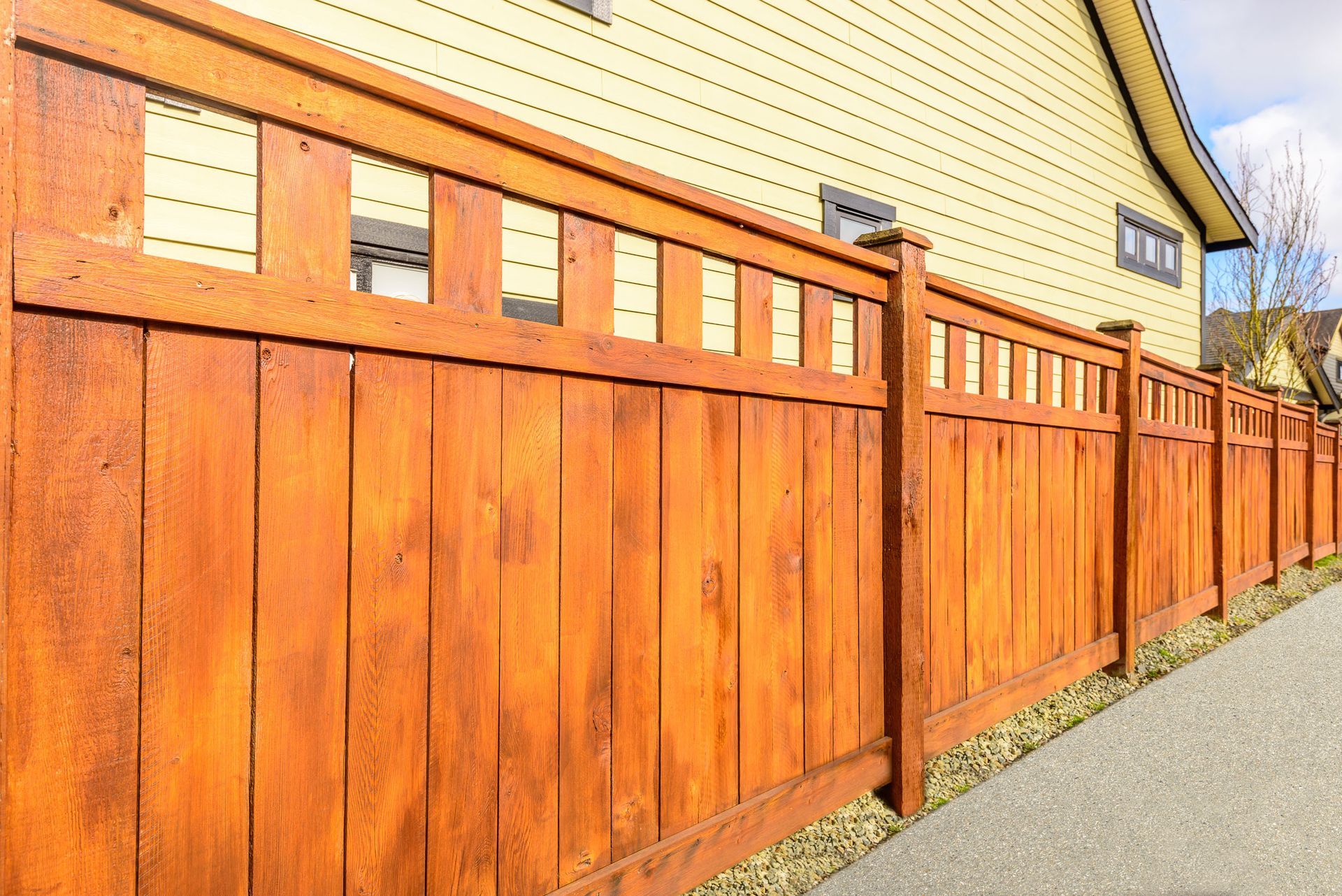
Wood remains a popular fencing material because of its natural appearance, versatility, and ability to complement various architectural styles. When sustainability is a priority, responsibly sourced lumber offers an environmentally conscious alternative to wood harvested without appropriate forest management practices. Homeowners can look for products certified by organizations that promote responsible forestry, helping support healthier forests and sustainable harvesting methods.
Certain wood species naturally resist moisture, insects, and decay, reducing the need for extensive chemical treatments. Cedar and redwood are commonly considered for these qualities, although their suitability depends on local environmental conditions. Choosing wood from regional suppliers may also reduce transportation-related emissions while supporting nearby businesses.
Longevity is another important consideration when selecting wooden fencing. According to HGTV, a wooden fence receiving proper maintenance can remain functional for 10 to 15 years. Protective finishes, professional installation, and appropriate maintenance can help prevent premature deterioration.
Exploring Recycled Composite Materials for Lasting Durability
Composite fencing provides an alternative for homeowners seeking the appearance of traditional materials with different maintenance requirements. Many composite products incorporate recycled plastics and reclaimed wood fibers, giving previously used materials another purpose. This manufacturing approach can reduce demand for newly extracted resources while supporting efficient material utilization.
Another advantage of composite fencing is its resistance to common problems associated with natural wood. Depending on the product, composite materials may resist moisture damage, insect activity, and surface deterioration without requiring frequent staining or painting. Reduced maintenance can also mean fewer finishing products are needed throughout the fence’s lifespan.
However, not all composite fencing products offer identical environmental benefits. Manufacturing processes, recycled content, durability, and disposal options vary among manufacturers. Some composite products are difficult to recycle because their components are permanently combined.
Considering Recycled Metal Fencing for Long-Term Performance
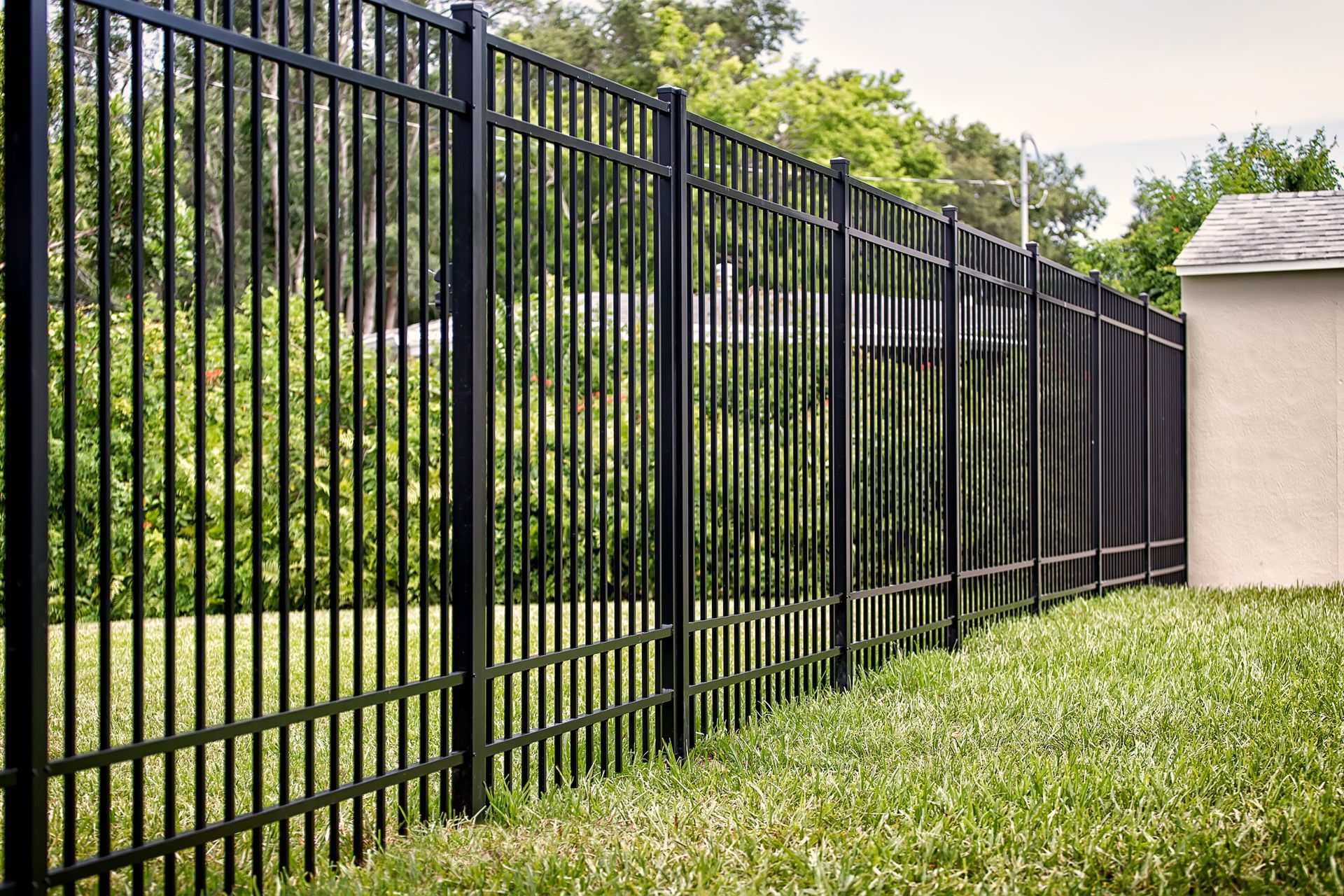
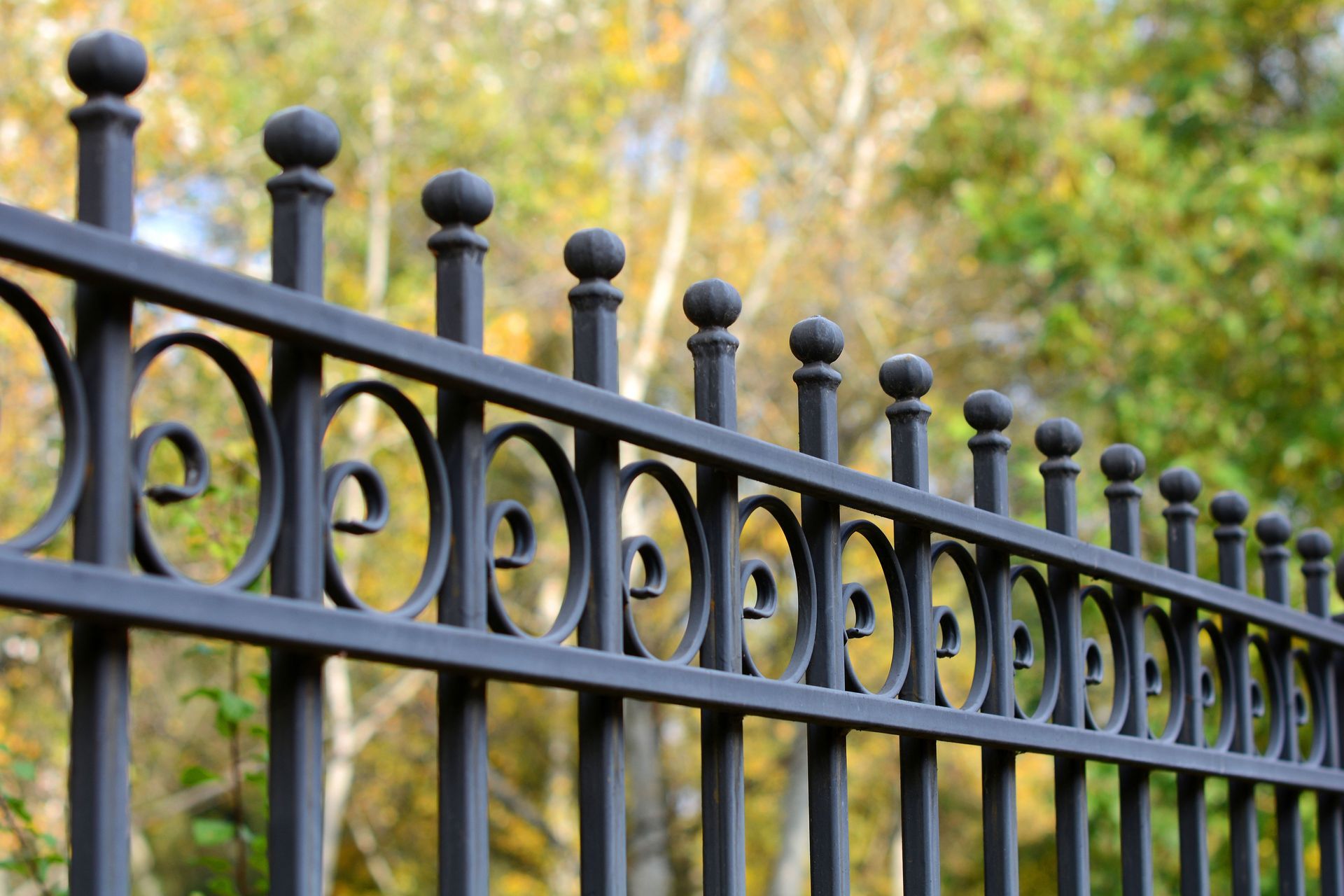
Metal fencing is another option worth exploring when environmental responsibility and durability are important. Aluminum and steel can contain recycled materials, and both metals can potentially be recycled after their useful service life. This recyclability makes metal fencing attractive for homeowners interested in reducing waste and conserving natural resources.
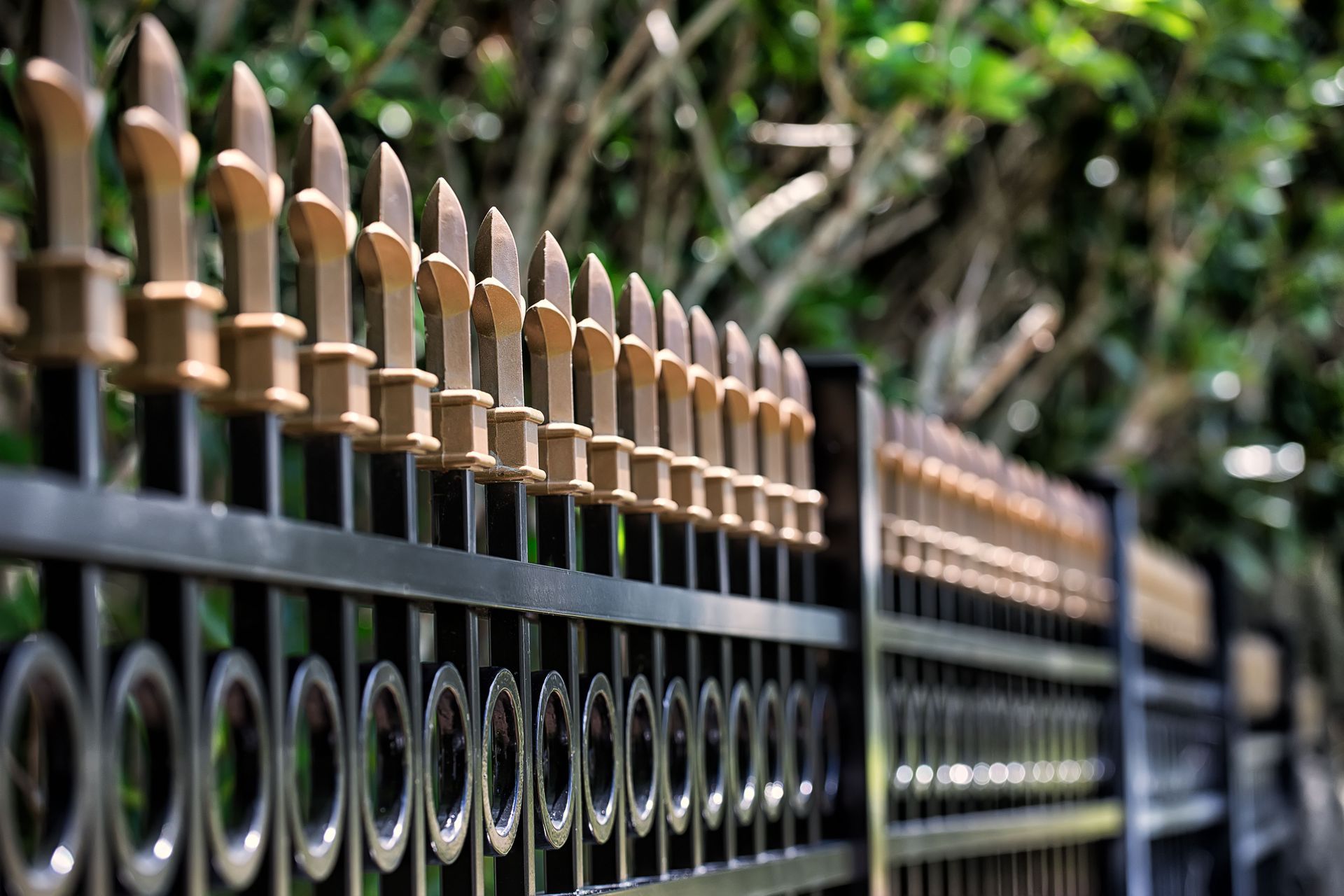
Aluminum fencing is often valued for its lightweight construction and resistance to corrosion. Steel offers substantial strength and can provide additional security for certain properties. Protective coatings help preserve metal surfaces, although their environmental characteristics and maintenance requirements should be evaluated before selecting a product.
Metal manufacturing can require considerable energy, making recycled content and production methods important sustainability factors. Products manufactured with recycled metals may reduce demand for virgin resources, but their environmental impact also depends on processing methods and transportation.
Evaluating Bamboo Fencing for Renewable Resource Benefits
Bamboo has gained attention as a renewable fencing material because certain species grow rapidly and can be harvested without removing the entire plant. Its distinctive appearance makes it particularly appealing for homeowners interested in natural textures, contemporary outdoor designs, and environmentally conscious landscaping.
Bamboo fencing can create privacy screens, decorative boundaries, and attractive garden features. Its natural appearance pairs well with patios, landscaped areas, and outdoor gathering spaces. Depending on the product, bamboo may be supplied as panels, poles, or engineered fencing components.
Despite its renewable characteristics, bamboo requires careful evaluation before being selected for outdoor applications. Some products need protective treatments to resist moisture, insects, and deterioration. Manufacturing methods, adhesives, transportation distances, and harvesting practices can also influence environmental performance.
Selecting Low-Maintenance Materials for Environmental Efficiency
The environmental impact of fencing extends beyond installation. Ongoing maintenance can involve water consumption, cleaning solutions, paints, stains, and replacement components. Selecting materials that require fewer treatments may reduce resource consumption throughout the fence’s lifespan.
Different fencing products have different maintenance needs. Natural wood may require periodic protective finishes, while certain composite and metal products can maintain their appearance with comparatively limited upkeep. However, every material requires some attention, particularly when exposed to challenging weather conditions.
Homeowners should also consider how maintenance products affect surrounding landscaping. Environmentally preferable coatings and cleaning solutions can help limit unnecessary chemical exposure when compatible with the fencing material. Choosing durable finishes may also reduce how frequently protective treatments are needed.
A carefully planned fence job should account for maintenance expectations before installation begins. Considering long-term care requirements helps homeowners select materials that remain attractive and functional while supporting environmentally responsible property management.
Prioritizing Material Longevity for Reduced Waste
Durability is central to sustainable fencing because materials that deteriorate prematurely may require replacement, generating additional waste and increasing demand for natural resources. Choosing fencing products suited to the property’s climate and intended use can extend their functional lifespan.
Environmental conditions influence material performance in different ways. Frequent moisture exposure can affect certain wood products, while intense sunlight may contribute to fading or surface changes in manufactured materials. Soil conditions, drainage, and local weather patterns can also affect fencing components.
Professional installation contributes to longevity by ensuring materials are appropriately supported and compatible with site conditions. Proper construction can reduce avoidable damage, helping homeowners protect their investment and limit unnecessary repairs.
When evaluating materials for a fence job, homeowners should consider expected durability alongside environmental characteristics. A product with responsible sourcing practices and dependable long-term performance may offer greater sustainability benefits than an alternative requiring frequent replacement.
Supporting Responsible Manufacturing and Local Sourcing
Sustainable fencing decisions should also consider how materials reach the property. Manufacturing practices, packaging, transportation, and supply chain transparency contribute to a product’s environmental footprint. Choosing manufacturers that demonstrate responsible resource management can support sustainable purchasing decisions.
Locally available materials may reduce transportation distances, although distance alone does not determine environmental impact. Manufacturing efficiency, raw material sourcing, and product durability remain important considerations. Homeowners benefit from evaluating these factors together rather than relying on isolated environmental claims.
Product certifications and manufacturer documentation can provide useful information about recycled content, responsible forestry practices, and material composition. Reputable fencing professionals can help interpret these details and identify products that align with a homeowner’s priorities.
An eco-conscious fence job benefits from purchasing decisions that extend beyond appearance and initial cost. Considering material origins and manufacturing practices allows property owners to support responsible resource use throughout the fencing supply chain.
Creating Sustainable Fencing With Professional Guidance
Choosing environmentally responsible fencing requires balancing sustainability, functionality, appearance, and long-term value. Responsibly sourced wood, recycled composites, recyclable metals, and renewable bamboo each offer potential advantages depending on the property’s needs.
The most suitable option depends on climate, maintenance expectations, privacy requirements, and material availability. Evaluating these considerations helps homeowners avoid products that may appear environmentally friendly but perform poorly under local conditions.
Professional guidance makes the selection process more manageable by connecting material characteristics with practical installation requirements. Experienced fencing specialists can explain product differences, recommend suitable options, and establish realistic expectations for durability and upkeep.
A sustainable fence job involves more than selecting an environmentally conscious material. It requires considering the entire lifespan of the structure, from responsible sourcing and installation to maintenance and eventual replacement. Thoughtful planning can produce an attractive, reliable fence that supports property improvements and environmental priorities.
At Jenks Fence, we understand the importance of choosing fencing materials that balance durability, appearance, and environmental responsibility. Our team can help you explore suitable options, evaluate maintenance considerations, and select materials that complement your property’s needs. We focus on providing dependable fencing solutions that support long-term value and practical performance.
Whether you’re improving privacy, updating your property’s appearance, or planning an environmentally conscious installation, we’re here to help. Contact us today to discuss your fencing goals and discover how we can help bring your project to life.
Share On: